Invoice calculators · Updated August 27, 2026
Early Payment Discount Calculator
Terms like 2/10 Net 30 in plain numbers: what the client pays if they pay early, what they save, the two deadlines — and what skipping the discount really costs, annualized. Free, in your browser.
If paid early
How to read 2/10 Net 30
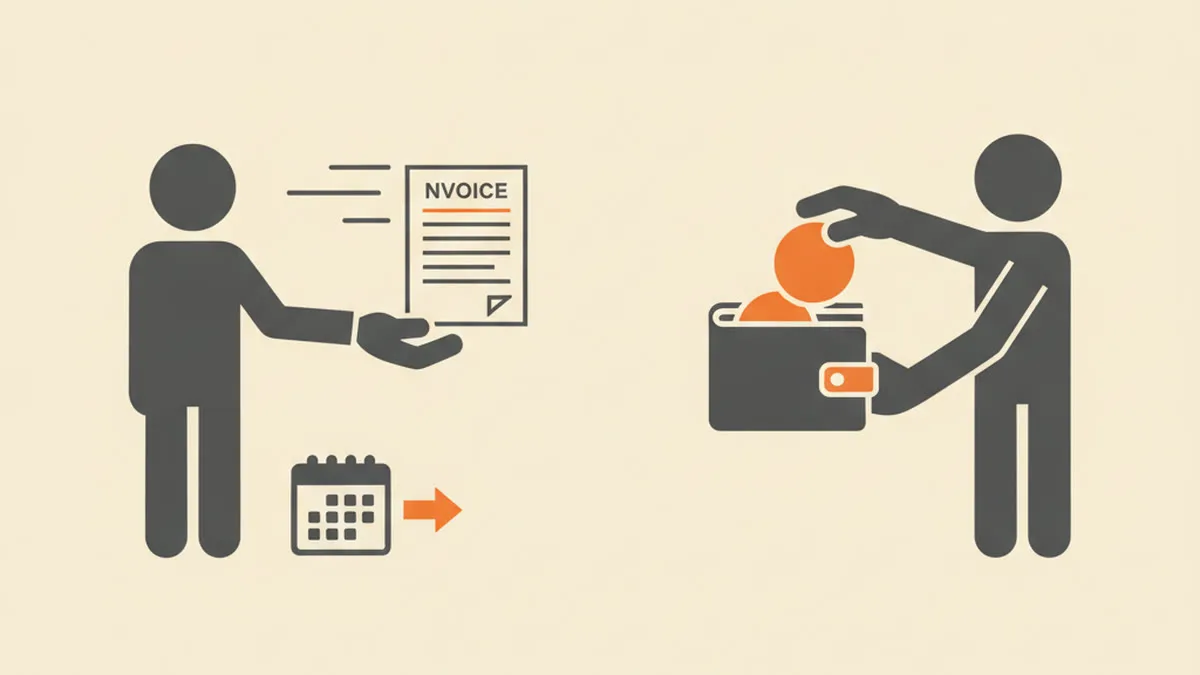
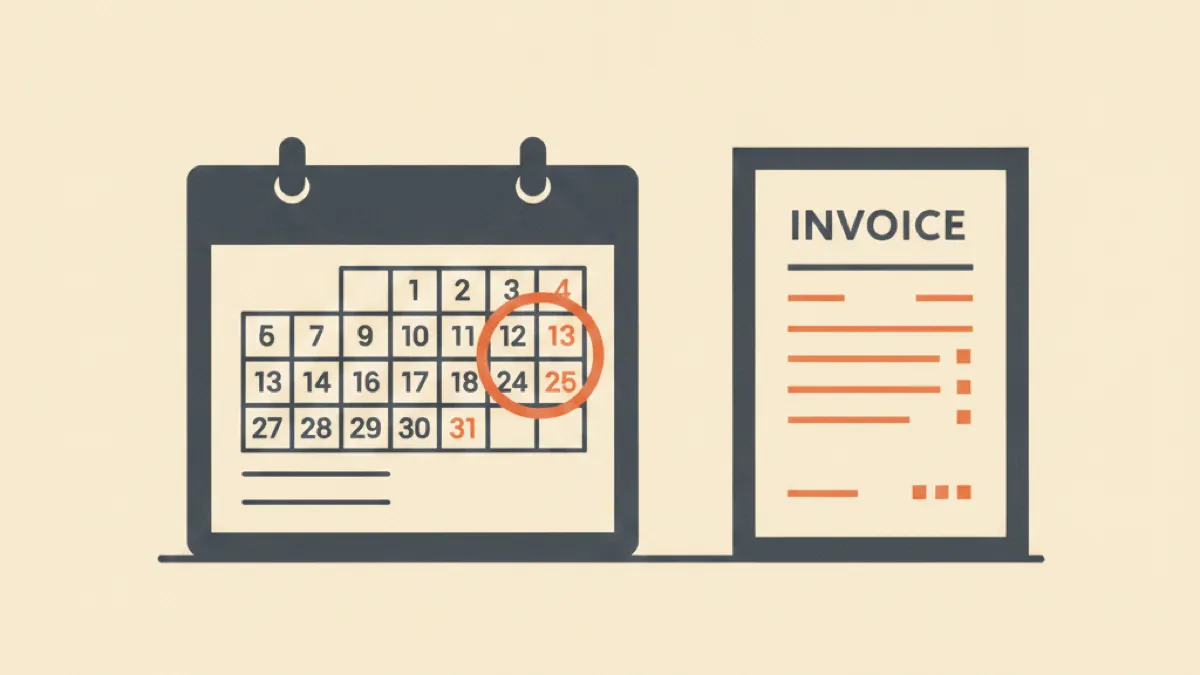
"2/10 Net 30" is three numbers: a 2% discount if the client pays within 10 days; otherwise the full amount is due in 30. On a $1,000 invoice that is $980 by day ten, or $1,000 by day thirty.
The annualized figure answers the buyer's question "is paying early worth it?": skipping the discount means paying 2% extra to hold the money for 20 more days — (2 ÷ 98) × (365 ÷ 20) ≈ 37% a year, far above what that cash earns anywhere safe. Which is exactly why the discount works: a well-run accounts-payable team takes it. Wording and trade-offs are in the payment terms guide.
Early payment discount FAQ
Is offering 2/10 Net 30 worth it for me?
You are effectively paying about 37% annualized for money 20 days sooner — expensive if cash flow is comfortable, worth it if a late client costs you more. Run your own number in the calculator above; the answer changes with the terms.
How do I write it on the invoice?
State both paths with resolved dates and amounts: "2/10 Net 30 — pay $980.00 by Sep 5 or $1,000.00 by Sep 25." Never make the client compute their own discount.
What if the client pays late but takes the discount anyway?
A known accounts-payable move. Invoice the difference politely once ("discount window ended Sep 5"), and decide whether the relationship is worth enforcing it — many businesses let the first one slide and restate the terms.