Guides · Invoicing basics · Updated August 27, 2026
What Is an Invoice? Definition, Example and Key Parts
An invoice is a document a seller sends to a buyer that lists what was delivered and states how much is owed and by when. It is a payment request and a record of the sale — for you, for your client, and for both of your bookkeepers. This guide explains what an invoice means in practice, what one contains, and when you need to send one.
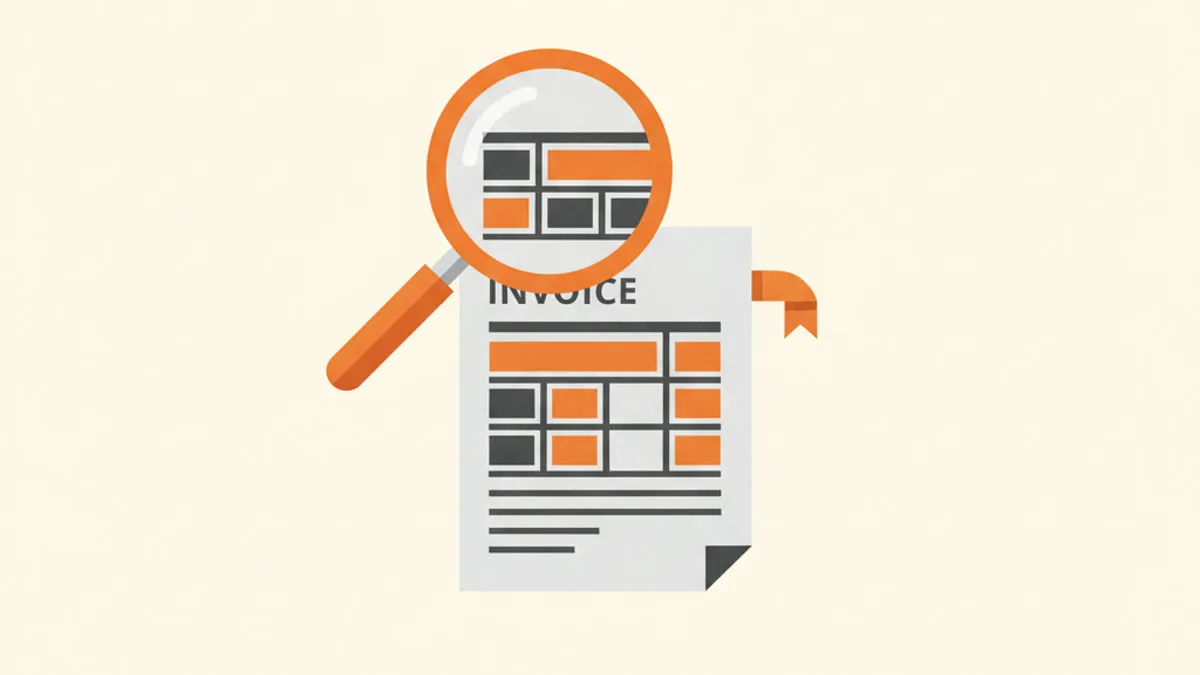
The invoice, in plain terms
Strip away the jargon and an invoice answers four questions: who is asking to be paid, who owes the money, what the payment is for, and how much is due by what date. Any document that answers those four questions clearly — with a unique number so it can be referenced later — functions as an invoice.
The invoice does not move money by itself. It starts the payment step: your client's side receives it, checks it against the work or delivery, approves it, and pays it. That is why clarity matters so much — every ambiguity adds a question, and every question adds days.
What an invoice is used for
- Requesting payment — its primary job: it tells the client the amount due and the deadline.
- Record-keeping — invoices are the paper trail of your revenue: what you sold, to whom, when, and for how much.
- Bookkeeping and taxes — your accountant (and your client's) reconciles payments against invoices; tax filings lean on those records.
- Resolving disputes — when memories differ months later, the invoice is the document both sides return to.
What an invoice contains
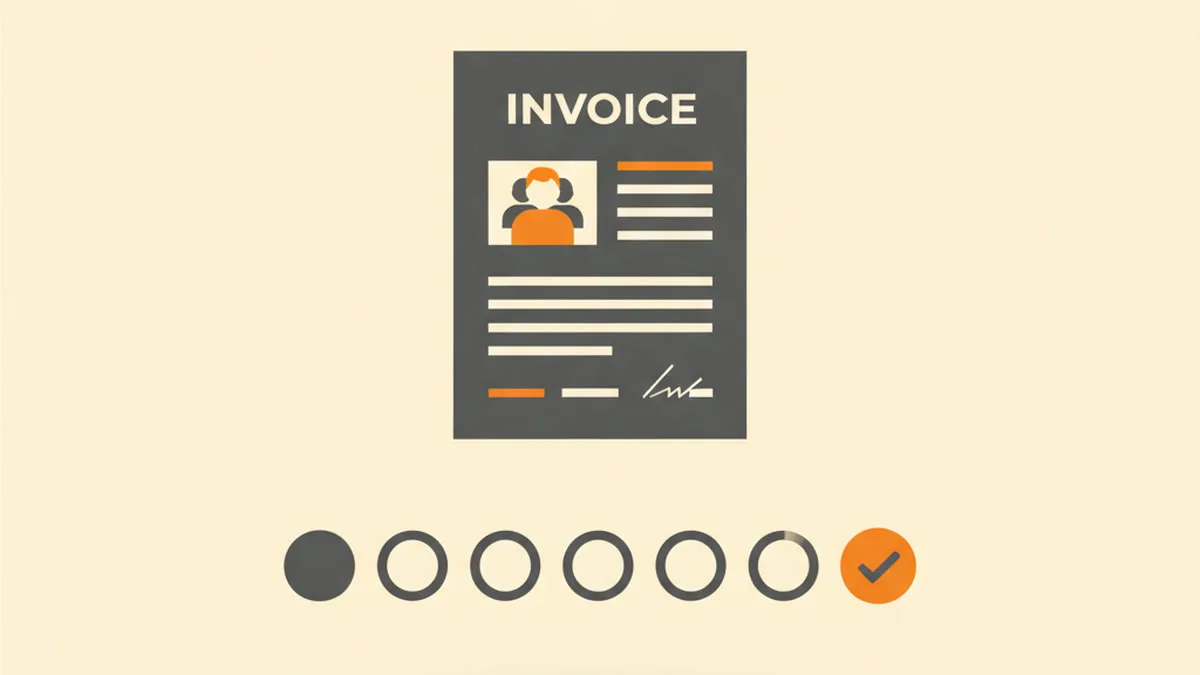
A professional invoice has a standard anatomy: the seller's details, the buyer's details ("Bill to"), the word Invoice with a unique invoice number, an issue date and a due date, line items with quantities and rates, the subtotal with any tax, discount or shipping, the total due, and payment instructions. For a field-by-field walkthrough with an example, see our guide on how to create an invoice.
Create an invoice now — free — no signup, no watermark, and your PDF is ready in seconds.
A quick invoice example
A gardener finishes a spring cleanup for a property manager. The same day, she
sends an invoice: her business name and email at the top, the client company
under "Bill to", invoice number 2026-014, issued April 20 and due
May 20 (Net 30), one line item — "Spring cleanup, front and back grounds —
$480" — no tax in her case, total due $480, and a note with her bank transfer
details. The property manager forwards it to accounts payable, it matches the
agreed quote, and it is paid within the terms. That is the entire lifecycle of
a typical invoice.
What an invoice is not
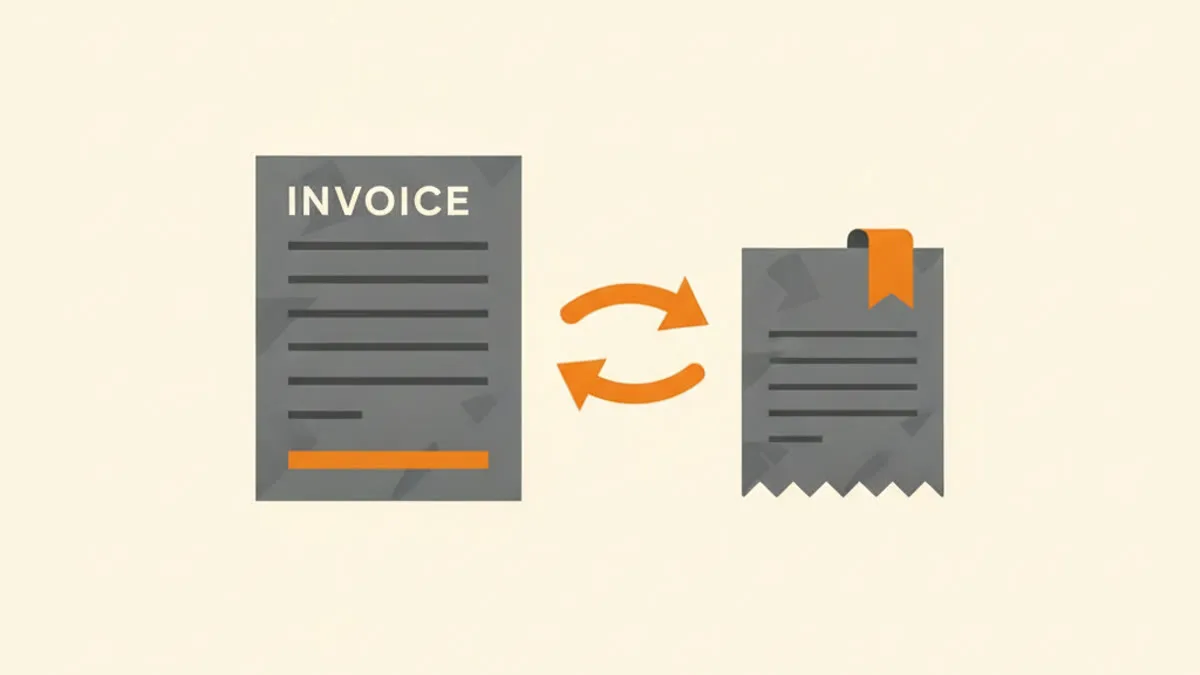
A few neighbouring documents get mixed up with invoices constantly. A quote or estimate comes before the work — it proposes a price. An invoice comes after — it requests payment for what was delivered. A receipt comes after the money moves — it confirms payment happened. A bill is largely the same document seen from the buyer's side: you send an invoice, your client "pays a bill".
When do you need to send one?
Whenever you want to be paid for goods or services and the money is not handed over on the spot — which covers most freelance, contracting, consulting and B2B service work. Many businesses also need invoices for compliance reasons, and requirements vary by country and situation; if you are unsure what your jurisdiction requires on an invoice, a local accountant is the right person to ask.
Frequently asked questions
Is an invoice proof of payment?
No — an invoice is a request for payment. Proof of payment is a receipt or the payment record itself.
Is an invoice a legal requirement?
It depends on where you operate and what you sell. Even where it is not strictly required, sending one is standard professional practice — and your bookkeeping will thank you.
Can a person (not a company) send an invoice?
Yes. Freelancers and sole proprietors invoice under their own name all the time.
What is the fastest way to make one?
An online generator. Our free invoice generator produces a professional PDF in minutes — no signup, no watermark, and no ads.
Keep reading
Create your invoice now — free — no signup, no watermark, and your PDF is ready in seconds.