Guides · Getting paid · Updated August 15, 2026
Invoice Deposits: How to Ask for Money Upfront — and Invoice It Right
A deposit is a partial payment made before the work starts. It funds materials, protects your schedule, and quietly filters out clients who were never going to pay. This guide covers typical deposit sizes, the two clean ways to put a deposit on an invoice, and wording you can copy.
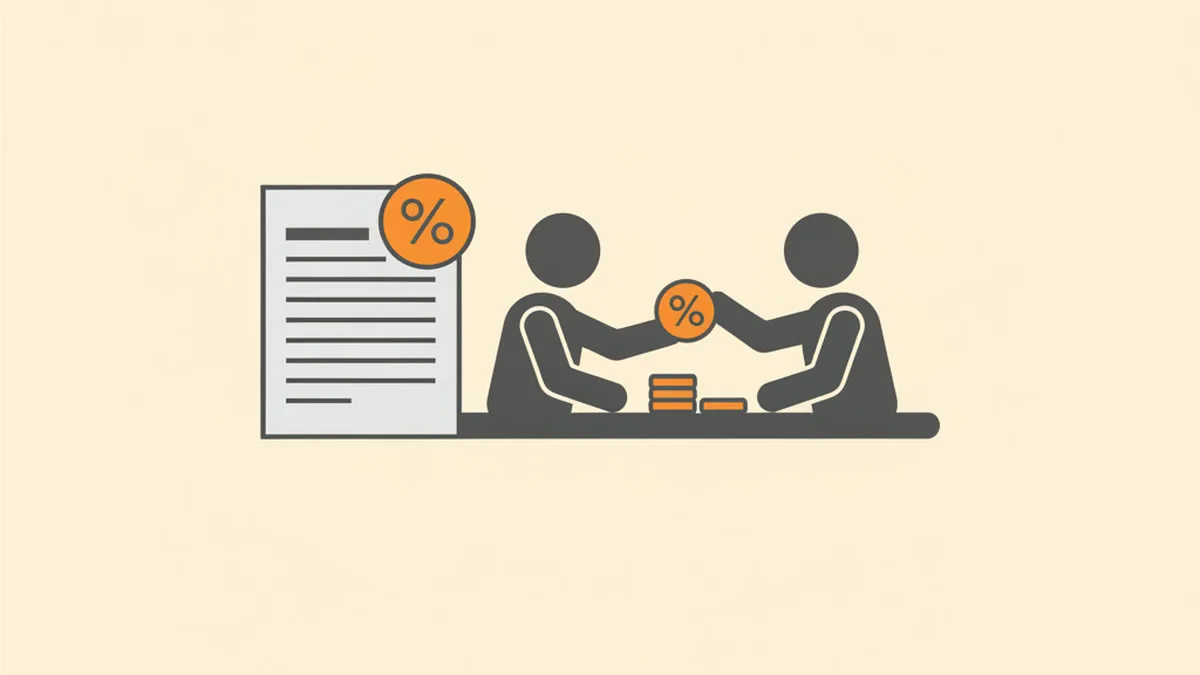
What a deposit is — and how much to ask for
Deposits are standard practice in project work: design, development, construction, events, photography, exterior painting, custom orders. Common patterns:
When you are ready to write the document itself, the deposit invoice generator opens with the deposit line, terms and notes already in place.
- 25–50% of the project fee — the typical range for service projects; 30% is a common middle ground.
- Materials covered upfront — trades often size the deposit to cover materials, so the job never runs cash-negative.
- 50/50 — half to book, half on delivery; common for creative work and events.
- 100% upfront — small fixed-price jobs and digital products, where invoicing twice costs more than it protects.
Whatever the number: agree it before the work, in the proposal or contract, as part of your payment terms — a deposit that first appears on an invoice reads as a surprise, and surprises get disputed.
Two clean ways to invoice a deposit
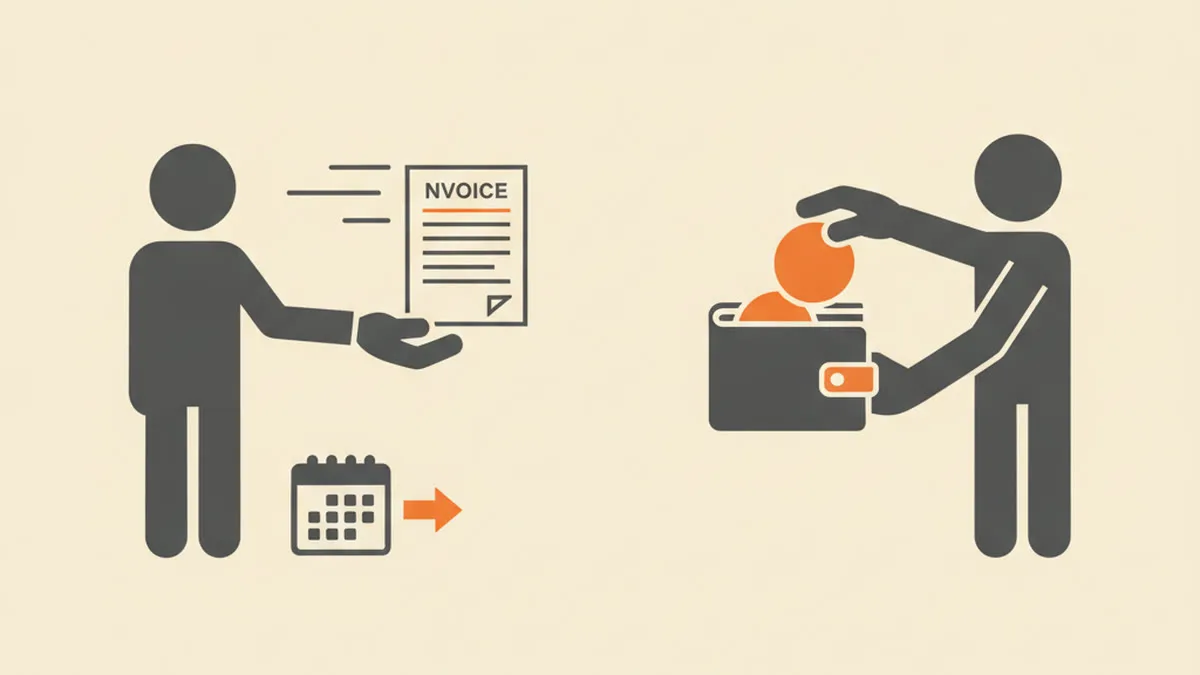
Way 1 — two invoices (cleanest for most projects). Send a deposit invoice now ("Deposit — Website redesign project, 30%"), then a final invoice at delivery that shows the full amount with the deposit deducted and the remaining balance due. The generator does the deduction for you: add the project total, enter what was already paid in the Amount paid field, and the PDF shows the balance due — no manual math, no confusion about what is owed.
Way 2 — one invoice with a payment schedule. For short jobs: a single invoice listing the full amount, with the schedule in the terms — "30% due on acceptance, remainder due Net 15 after delivery". Less paperwork, but the client's accounting system tracks one document doing two jobs, so reserve it for clients you know.
A worked example
Deposit invoice · INV-0031 · Issued Aug 15 · Due on receipt
Deposit — kitchen renovation, 30% of $8,000 project fee — $2,400.00
Final invoice · INV-0038 · Issued Sep 12 · Due Sep 27 (Net 15)
Kitchen renovation — labor and materials — $8,000.00
Amount paid (deposit, INV-0031) — $2,400.00 · Balance due $5,600.00
Referencing the deposit invoice number on the final invoice keeps both documents connected in the client's books — one small line that prevents most "what did we already pay you?" emails. Numbering systems are covered in the invoice number guide.
Create a deposit invoice with balance due — free — no signup, no watermark, and your PDF is ready in seconds.
Wording you can copy
- In the proposal: "Work is scheduled on receipt of a 30% deposit ($2,400), due on acceptance. The remaining balance is invoiced on delivery, Net 15."
- Deposit invoice line item: "Deposit — [project name], 30% of project fee"
- Final invoice: "Amount paid: $2,400.00 (deposit, INV-0031, Aug 15). Balance due: $5,600.00."
When not to ask for a deposit
- Tiny jobs — if the work takes an afternoon, invoicing twice costs more than the risk you are covering.
- Long-standing clients who pay reliably — a sudden deposit request reads as distrust; keep it for new relationships and scope jumps.
- Enterprise clients with fixed AP processes — many simply cannot prepay. Use milestone invoicing instead: smaller invoices tied to delivery stages, the pattern consultants use for enterprise billing.
Frequently asked questions
Are deposits refundable?
Whatever your agreement says — that is the point of agreeing first. Many businesses make deposits non-refundable once work is scheduled, since the deposit protects reserved time. State it plainly in the proposal; nothing here is legal advice.
Is a deposit the same as a retainer?
Close cousins: a deposit is upfront payment for a defined project, while a retainer reserves ongoing capacity, usually monthly. If a client wants you available every month, that conversation is about a retainer, not a bigger deposit.
Do I charge tax on the deposit invoice?
Depends on your location and what you sell — some jurisdictions tax prepayments, others tax on delivery. This one is genuinely worth a short question to your accountant.
What if the client refuses any deposit?
For a new client on a substantial project, treat it as information. A middle path: a smaller deposit, or the first milestone invoiced on day one. If every form of upfront commitment is refused, decide whether you can afford the risk — before the work starts, not after.
Keep reading
Create your invoice now — free — no signup, no watermark, and your PDF is ready in seconds.