Invoice calculators · Updated August 27, 2026
Invoice Due Date Calculator
Pick the invoice date and your payment terms — Net 7 to Net 90 or a custom number of days — and read off the exact due date. Free, in your browser, nothing typed here goes anywhere.
Payment is due
How the due date is calculated
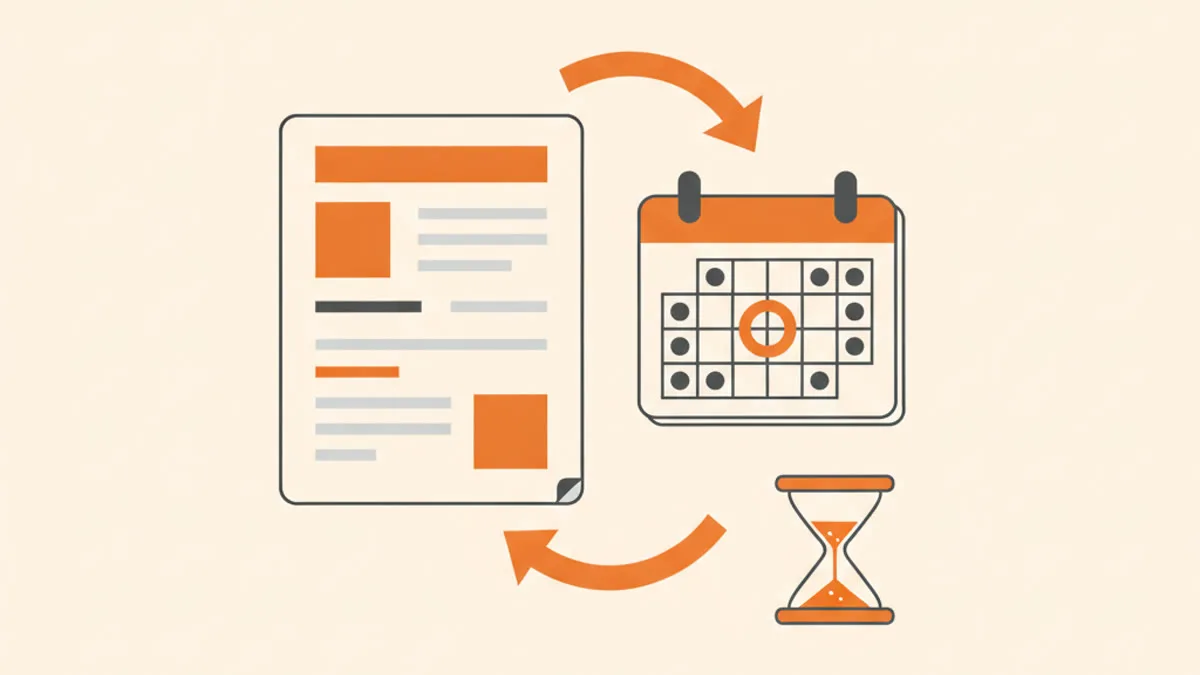
Net terms count calendar days from the issue date: a Net 30 invoice issued August 26 is due September 25 — thirty days later, weekends included. "Due on receipt" means what it says: payment is expected when the invoice arrives. If you and your client agreed to count business days instead, that is a custom arrangement — spell it out on the invoice, because calendar days are what everyone assumes.
What Net 30, Net 15 and "2/10 Net 30" actually mean — and how to pick terms that get you paid faster — is covered in invoice payment terms. The date itself goes in the generator's Due date field and prints on the PDF.
A worked example
An invoice issued Aug 26, 2026 on Net 30 is due Sep 25, 2026. The same invoice on Net 15 would be due Sep 10; on Net 60, Oct 25. One habit worth keeping: write the resolved date on the invoice ("Due Sep 25, 2026"), not just the term — the client's bookkeeper should never have to do this math.
Due date FAQ
Do Net terms count weekends?
Yes — Net terms are calendar days unless the contract says otherwise. If the due date lands on a weekend or holiday, many businesses treat the next business day as acceptable; put that in writing if it matters to you.
When does the clock start?
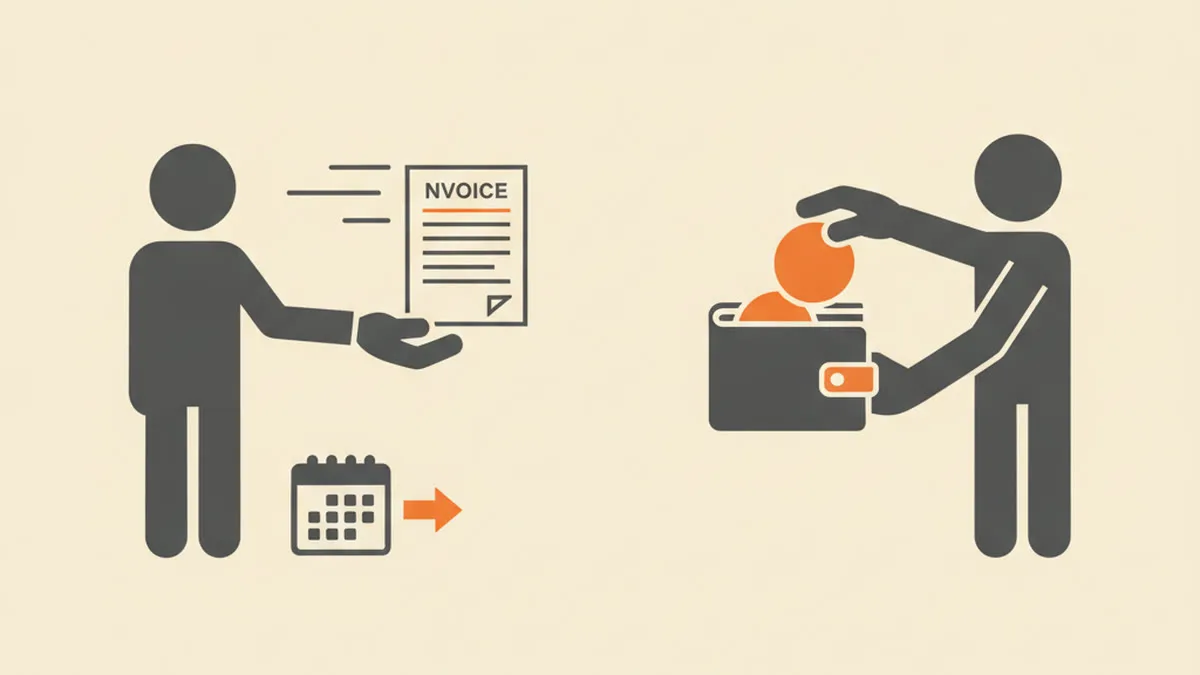
From the invoice's issue date — not the delivery of the work and not the day the client opens the email. That is why invoicing the same day you deliver matters: every day before the invoice exists is a day the clock has not started.
What terms should I use?
Shorter than you think: Net 15 or even due on receipt is normal for small services. Net 30 is the corporate default. The trade-offs live in the payment terms guide.