Guides · Getting paid · Updated August 12, 2026
Invoice Payment Terms Explained: Net 30, Net 15, Due on Receipt
Invoice payment terms tell your client when payment is due and under what conditions. They are the difference between "please pay at some point" and a date both sides can plan around. This guide covers the common terms, what they mean in days, and how to choose terms that get you paid faster. Two small tools pair with this guide: the due date calculator and the early payment discount calculator.
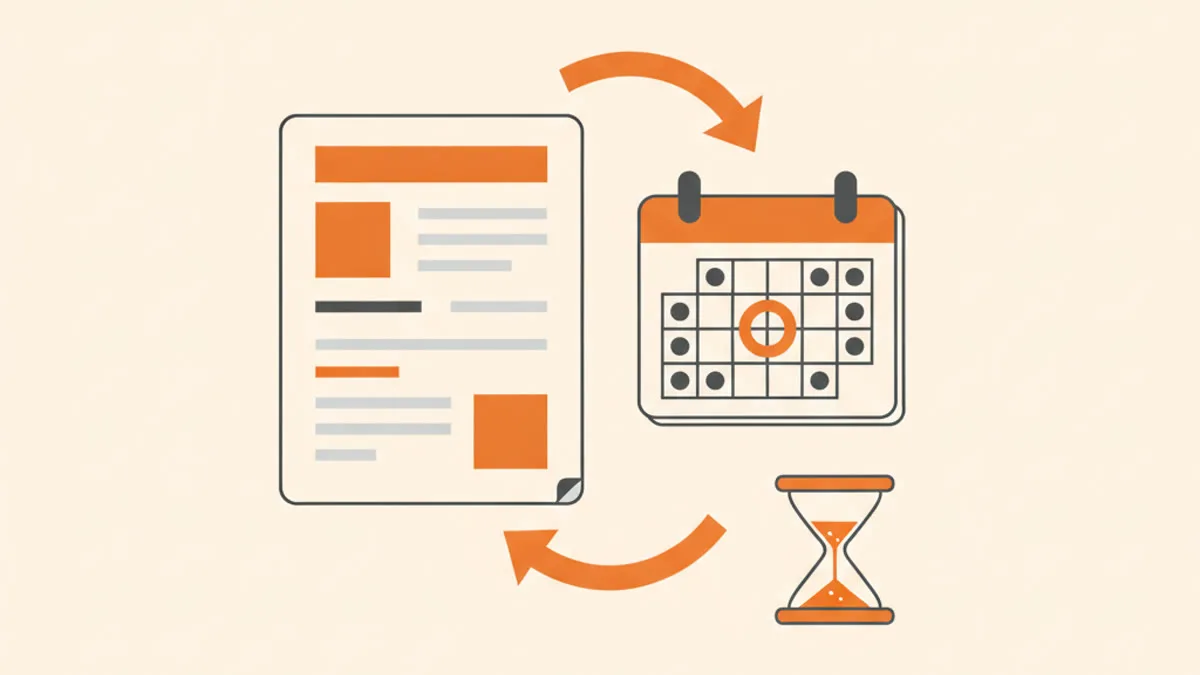
What payment terms are
Payment terms are the short line on your invoice — usually near the due date or in the terms section — that states when and how payment should be made: "Net 30", "Due on receipt", "50% deposit, balance on delivery". They should never be a surprise: agree on terms with the client before the work starts, then let the invoice restate what was agreed.
The common terms, decoded
| Term | What it means | Typical use |
|---|---|---|
| Due on receipt | Payment is expected as soon as the client receives the invoice. | Small jobs, first-time clients, retail-like services |
| Net 7 / Net 10 | Full payment due 7 or 10 days after the invoice date. | Freelancers who want short cycles without "immediately" |
| Net 15 | Full payment due 15 days after the invoice date. | A common middle ground for service businesses |
| Net 30 | Full payment due 30 days after the invoice date. | The default in much of B2B; larger companies often expect it |
| Net 60 / Net 90 | Payment due 60 or 90 days after the invoice date. | Large enterprises; hard on your cash flow — agree carefully |
| 2/10 Net 30 | Client may take a 2% discount if they pay within 10 days; otherwise the full amount is due in 30. | An incentive for early payment on bigger invoices |
| Deposit + balance | Part is paid upfront (e.g. 50%), the rest on delivery or completion. | Projects with real upfront cost: trades, events, custom work |
"Net" simply means the full (net) amount of the invoice; the number is the days the client has to pay, counted from the invoice date unless you state otherwise.
Create an invoice with your terms — free — no signup, no watermark, and your PDF is ready in seconds.
How to choose your terms
- Shorter is better for you. If you have leverage, prefer Due on receipt or Net 15. Net 30 is a convention, not a law of nature.
- Match the client's process. Large companies often run fixed payment cycles; fighting their AP process costs more than it gains. Ask what their standard is, then decide.
- Take deposits on real costs. If you buy materials or block out significant time, a deposit shifts risk where it belongs — sizes and wording in our invoice deposits guide.
- Put the actual date on the invoice. "Net 30" plus an explicit "Due: Sep 11, 2026" removes all mental math for the person paying you.
Wording you can copy
- "Payment due within 15 days of invoice date (Net 15)."
- "Due on receipt. Please pay by bank transfer to the account below."
- "50% deposit due to begin work; remaining balance due on completion."
- "2% discount if paid within 10 days; otherwise full amount due in 30 days."
On late fees: some businesses add a monthly late charge on overdue invoices. Whether and how much you may charge depends on your agreement and local rules — agree on it in writing beforehand and check the rules that apply to you before relying on it.
Frequently asked questions
What does Net 30 mean exactly?
The full invoice amount is due 30 calendar days after the invoice date. An invoice issued August 12 with Net 30 terms is due September 11.
Do payment terms have to be on the invoice?
They should be — an invoice without a due date is easy to postpone. State the terms and the explicit due date.
What terms should a freelancer use?
Many freelancers use Net 15 or Due on receipt for small clients, and accept Net 30 for larger companies whose payment cycles demand it.
Where do I put terms in the generator?
Set the due date at the top of the invoice generator and spell out the terms in the Terms field — both appear on your PDF.
Keep reading
Create your invoice now — free — no signup, no watermark, and your PDF is ready in seconds.