Guides · Invoice types · Updated August 12, 2026
Invoice vs Estimate (and Quote): What's the Difference?
An estimate proposes a price before the work; an invoice requests payment after it. A quote sits in the same family as the estimate, with one practical nuance. Get the sequence right and each document does its job — mix them up and you end up negotiating price on a payment request. Nowhere is the sequence more visible than in the quoted trades — a roofer's proposal, a contractor's bid — where the estimate is signed before anyone climbs a ladder.
The three documents at a glance
| Estimate | Quote | Invoice | |
|---|---|---|---|
| When | Before the work | Before the work | After the work (or per agreed schedule) |
| Says | "It will cost approximately this" | "It will cost exactly this" | "You now owe this" |
| Price is | An informed approximation, may change | Fixed for the stated scope and validity period | Final — the amount due |
| Client action | Consider, compare, approve | Accept the offer | Pay by the due date |
In everyday small-business use, "quote" and "estimate" are often used interchangeably; the practical distinction is firmness. If you send a document called a quote, expect the client to treat that number as committed.
How one becomes the other
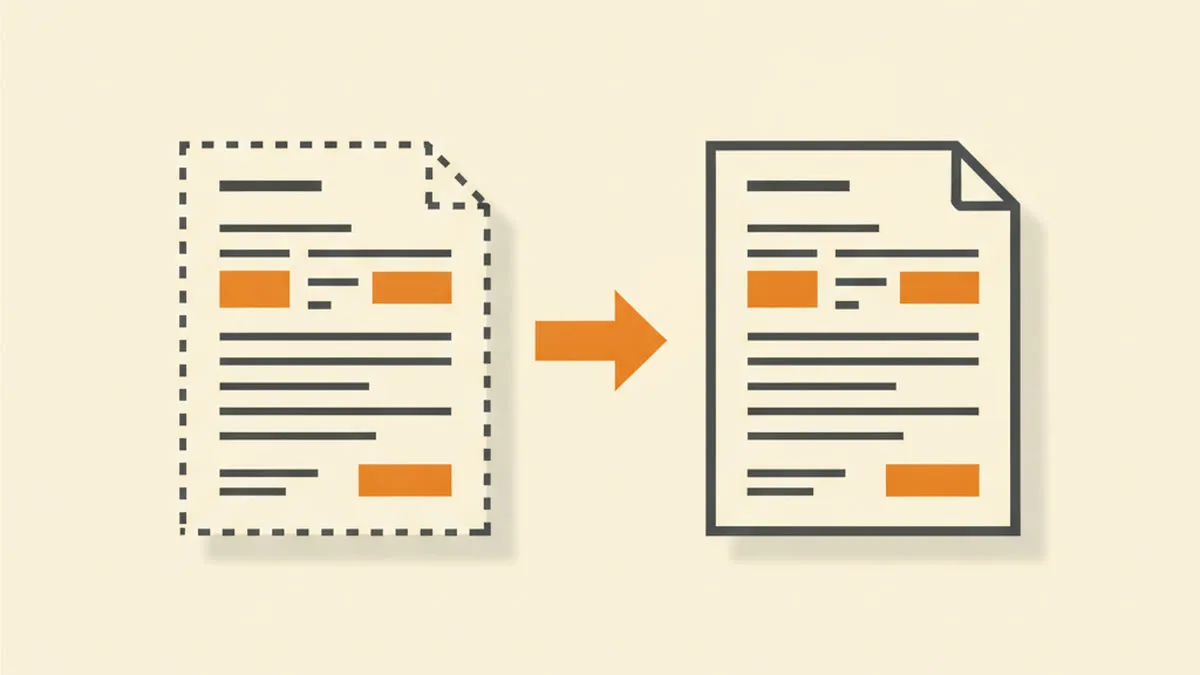
The healthy lifecycle of a paid project: the client asks the price → you send an estimate or quote → they approve it → you do the work → you send an invoice that mirrors the approved numbers → they pay by the due date. The invoice should contain no price surprises: same line items, same rates, plus anything that was explicitly agreed along the way. If scope changed mid-project, update the estimate and get a fresh approval before the invoice — that conversation is much easier at estimate stage than at payment stage.
Turn your estimate into an invoice — free — no signup, no watermark, and your PDF is ready in seconds.
Deposits: the common in-between
Many service businesses invoice a deposit right after the estimate is approved — for example 50% to book the work, with the balance invoiced on completion. Both are normal invoices: one issued at the start for part of the total, one at the end for the remainder, each with its own invoice number and terms.
Frequently asked questions
Can I invoice without sending an estimate first?
Yes — for small or repeat work an agreed price in an email is plenty. The estimate step earns its keep when scope or price could be disputed later.
Is an estimate binding?
By convention an estimate is an approximation, not a commitment — but what you wrote, how you framed it, and local rules all matter. If a number must not move, call it a quote and state its validity period.
Should the invoice match the estimate exactly?
As closely as reality allows. If the final amount differs, the difference should trace to something the client already approved — never appear for the first time on the invoice.
What goes on the final invoice?
The standard fields — here is the full checklist — with line items mirroring the approved estimate. Build it in our free invoice generator in a couple of minutes.
Keep reading
Create your invoice now — free — no signup, no watermark, and your PDF is ready in seconds.