Guides · Invoice types · Updated August 12, 2026
Invoice vs Bill: What's the Difference?
Here is the secret about the invoice-vs-bill question: most of the time they are the same document. What changes is the point of view — the seller sends an invoice; the buyer receives it and calls it a bill. The differences that do exist are about context and habit, and they occasionally matter.
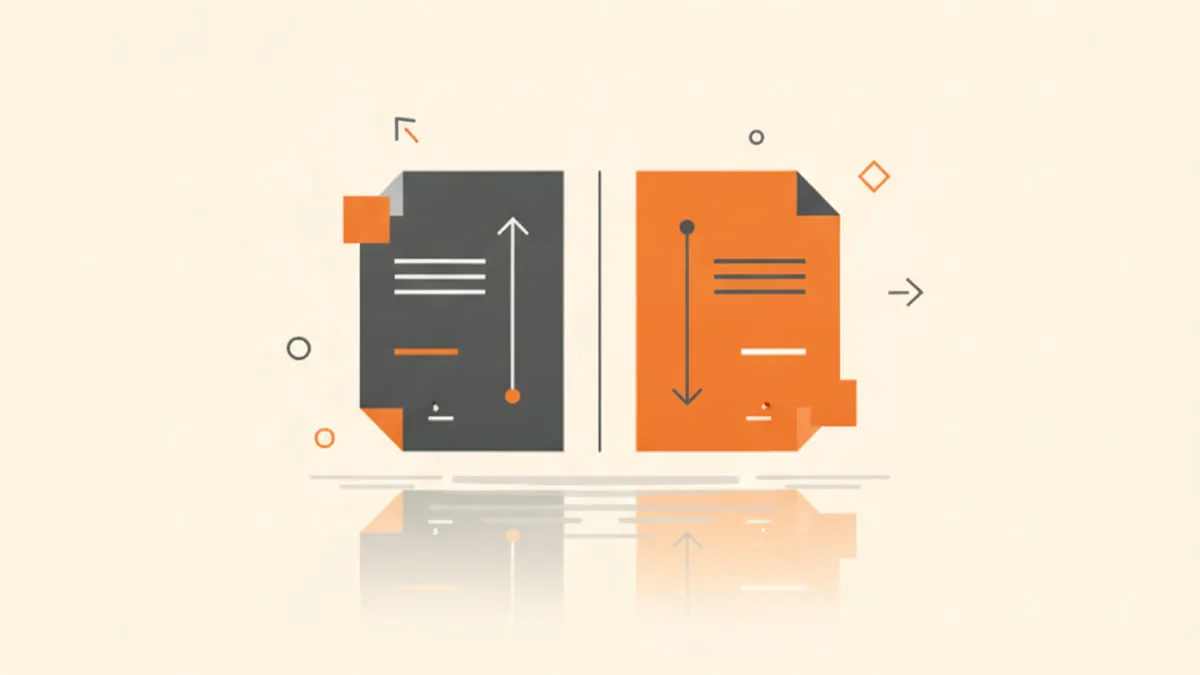
Same paper, two sides of the table
When you finish a project and send a payment request, you record it as an invoice — money owed to you. Your client books the identical document as a bill — money owed by them. Accounting software makes the mirror explicit: your invoice lives in your accounts receivable; their copy lives in their accounts payable as a bill. Nothing about the document itself changed.
Where the words drift apart
- Consumer contexts say "bill". Restaurants, utilities, phone plans, medical statements — recurring or immediate consumer charges are "bills", and nobody asks the waiter for the invoice.
- Business contexts say "invoice". B2B services, freelance work and anything with line items, terms and a due date travels as an invoice.
- Formality. An invoice carries structure — unique number, itemization, payment terms — because businesses process it through approval workflows. A bill often just states an amount due now.
Send a professional invoice — free — no signup, no watermark, and your PDF is ready in seconds.
So what should you send your clients?
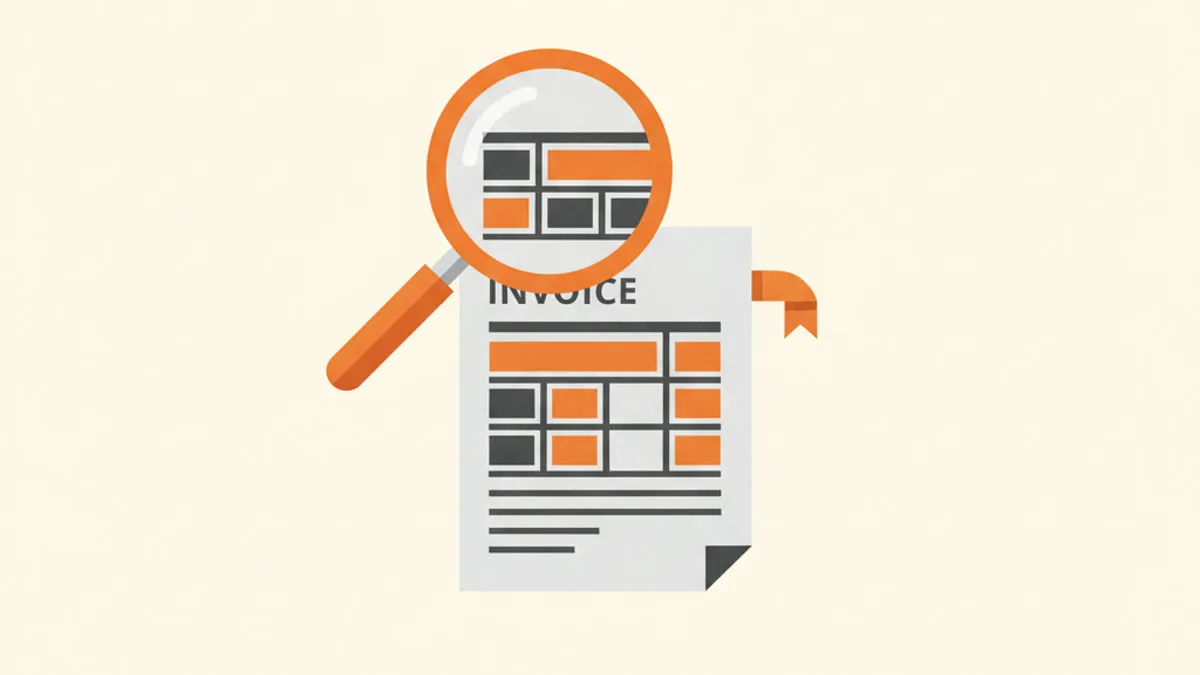
An invoice — both the word and the structure. "Please find attached invoice INV-0042" is the professional convention, it matches what their accounts-payable process expects, and the structured document ( here is what it should include) is what gets approved and paid without questions. What your client calls it internally is their business — and it will be "a bill".
Frequently asked questions
Is a bill a legal document and an invoice not (or vice versa)?
The names carry no special legal weight by themselves — what matters is the content: parties, amounts, dates. Requirements for that content vary by jurisdiction, so check the rules that apply to you if compliance is in play.
My accounting app has both "invoices" and "bills" — why?
Direction. "Invoices" are what you issue to customers (money in); "bills" are what you receive from vendors (money out). Same documents, sorted by which way the money flows.
How do these relate to receipts?
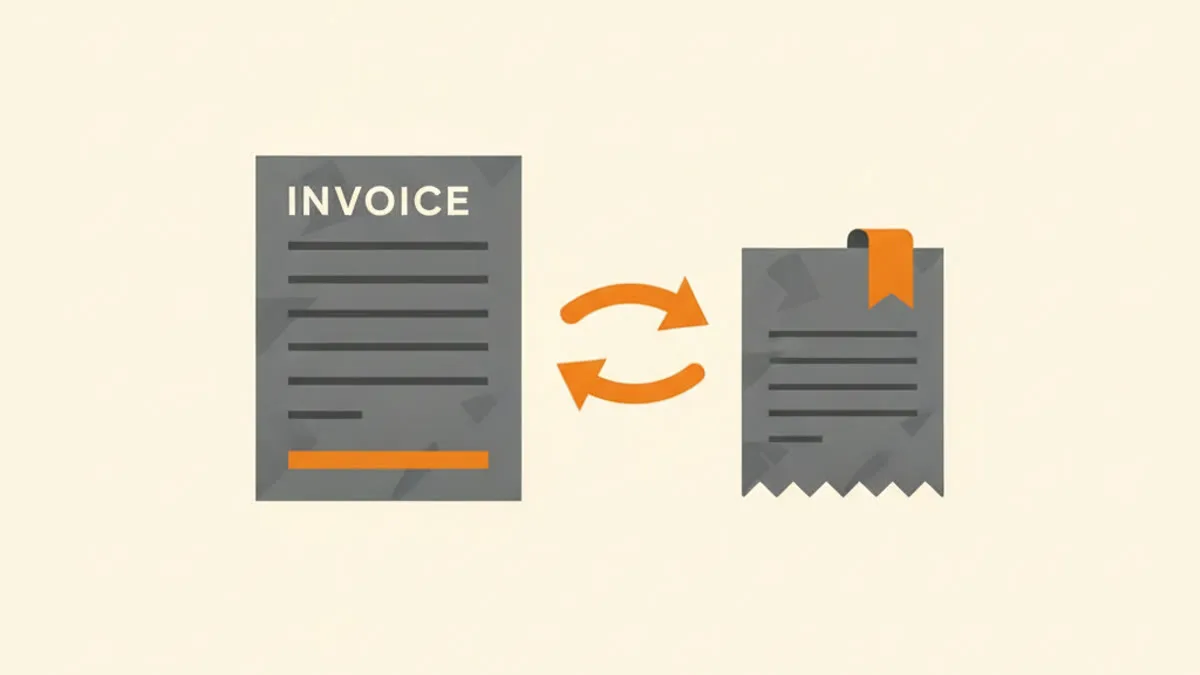
Invoices and bills request payment; a receipt confirms payment happened. Full comparison: invoice vs receipt.
Keep reading
Create your invoice now — free — no signup, no watermark, and your PDF is ready in seconds.